The table
Porto's classic dishes, explained
Tripe, salt cod, green broth, the francesinha and the custard tart: what Porto and the north are known for, and the stories behind each dish.
Reserve a fado dinner ↗Quick answer
Porto's signature dish is tripas à moda do Porto, tripe with white beans, which gave the people of the city their nickname. Salt cod, or bacalhau, runs through all Portuguese cooking, and Porto has its own recipe for it. Caldo verde comes from the Minho just to the north, the francesinha is the city's favourite snack, and the pastel de nata is the custard tart sold across the country. None of this is a menu for the fado dinner, whose dishes are the restaurant's own.
Tripe, and why Porto eats it
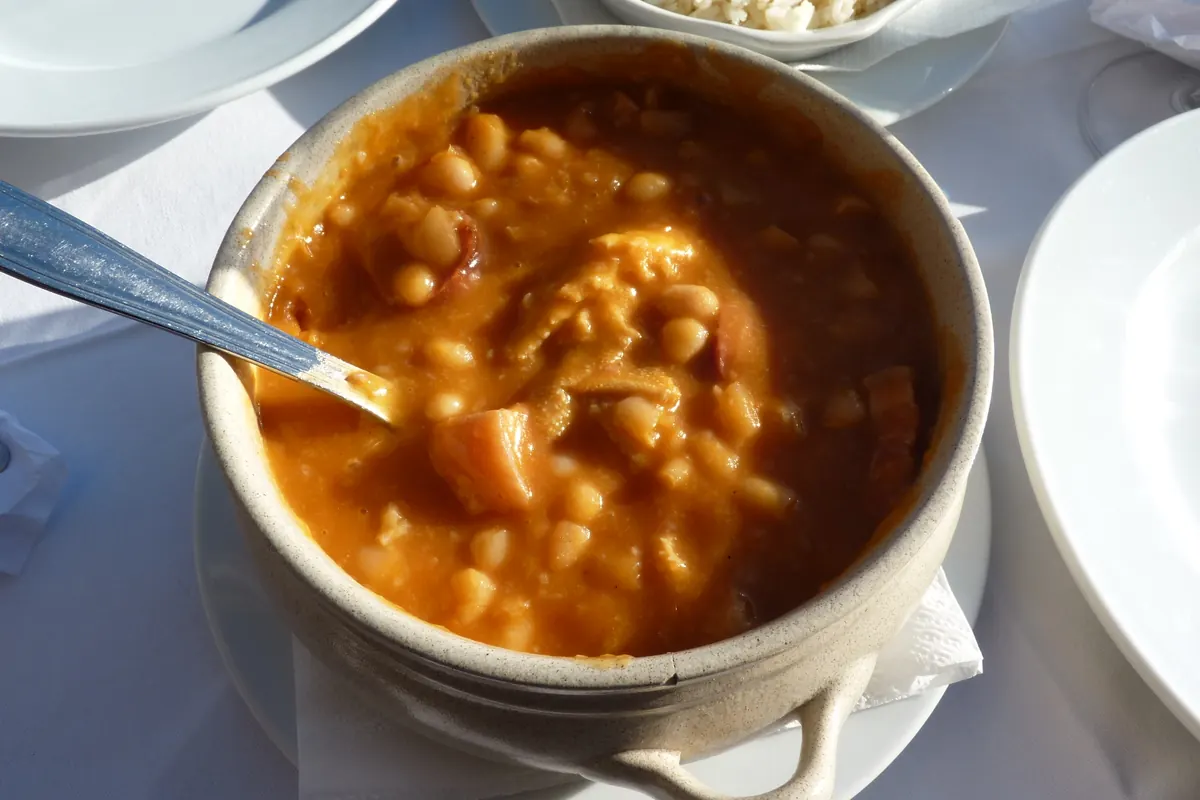
Tripas à moda do Porto is a stew of beef tripe with white beans, carrots and rice, known across Portugal and treated in Porto as the city's dish. The story behind it, as it is usually told, dates to 1415. Porto's shipyards were building the fleet for the conquest of Ceuta, and the city is said to have handed over all its clean meat to provision the ships, keeping only the offal for itself. Out of that sacrifice came a way of cooking tripe, and a name: people from Porto are still called tripeiros, the tripe-eaters. The poet Fernando Pessoa, writing as Álvaro de Campos, gave the dish a poem.
Salt cod, the loyal friend
Bacalhau means cod, and in the kitchen it means cod that has been dried and salted. It is often called the iconic ingredient of Portuguese cooking, with a saying that there is a recipe for every day of the year, and its nickname is fiel amigo, the loyal friend. Salt cod has been made for at least five centuries. By the 1700s it was a staple for ordinary families and wealthy ones alike, and historic fasting rules that forbade meat on many days kept it on the table. In parts of the country it is still the traditional Christmas Eve dinner.
Porto's own cod recipe
Bacalhau à Gomes de Sá is the salt-cod dish most closely tied to Porto. It is named after José Luís Gomes de Sá Júnior, born in the city in 1851, a cod merchant who kept a warehouse in the Ribeira district by the river. The original method cuts the cod into small flakes, softens it in milk, and cooks it with olive oil, garlic and onion before serving it with black olives, parsley and boiled eggs. A red Vinho Verde or a red Douro wine is the usual pairing, which says something about how northern the dish is.
Cod cakes before the meal
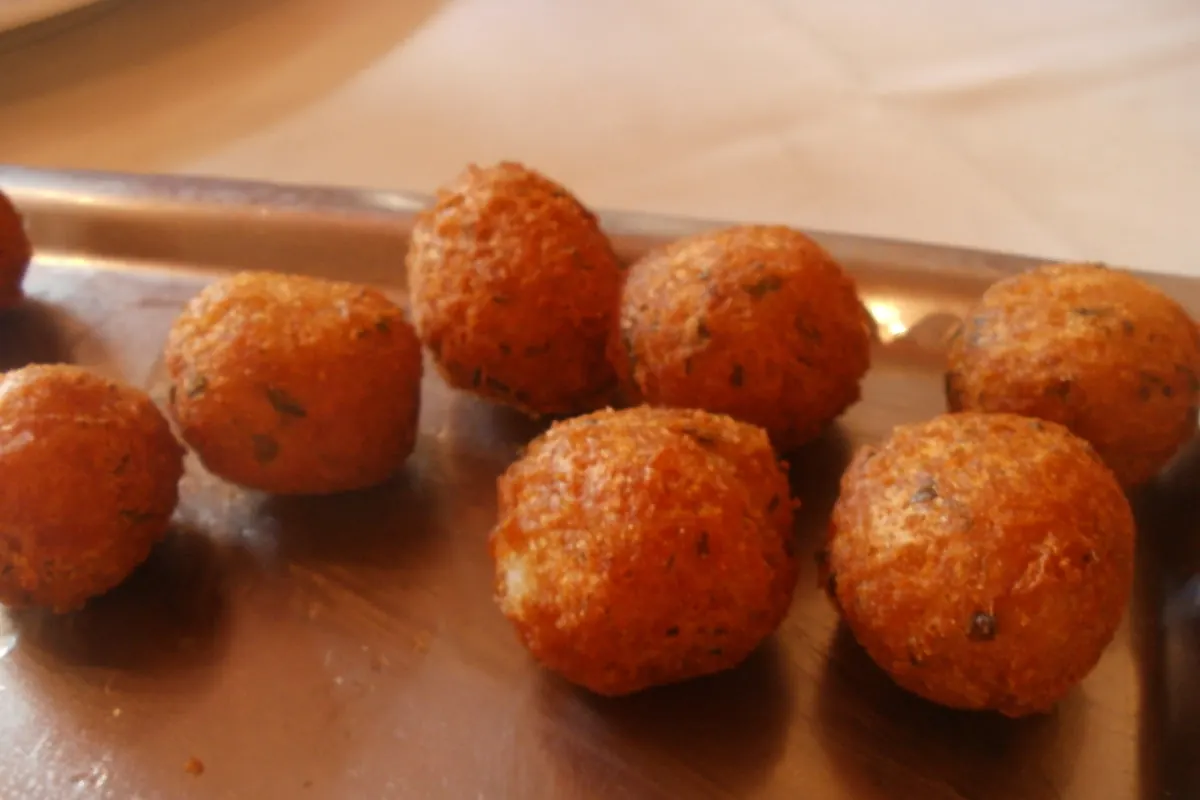
Bolinhos de bacalhau, also called pastéis de bacalhau, are small cakes of potato, salt cod, egg, parsley and onion, sometimes with a hint of nutmeg. They are shaped between two spoons, deep-fried, and eaten hot or cold, either as an appetiser before a meal or as a meal of their own with rice, salad and olives. The test of a good one is the contrast: lightly crisp on the outside, soft and creamy inside.
Green broth from the Minho
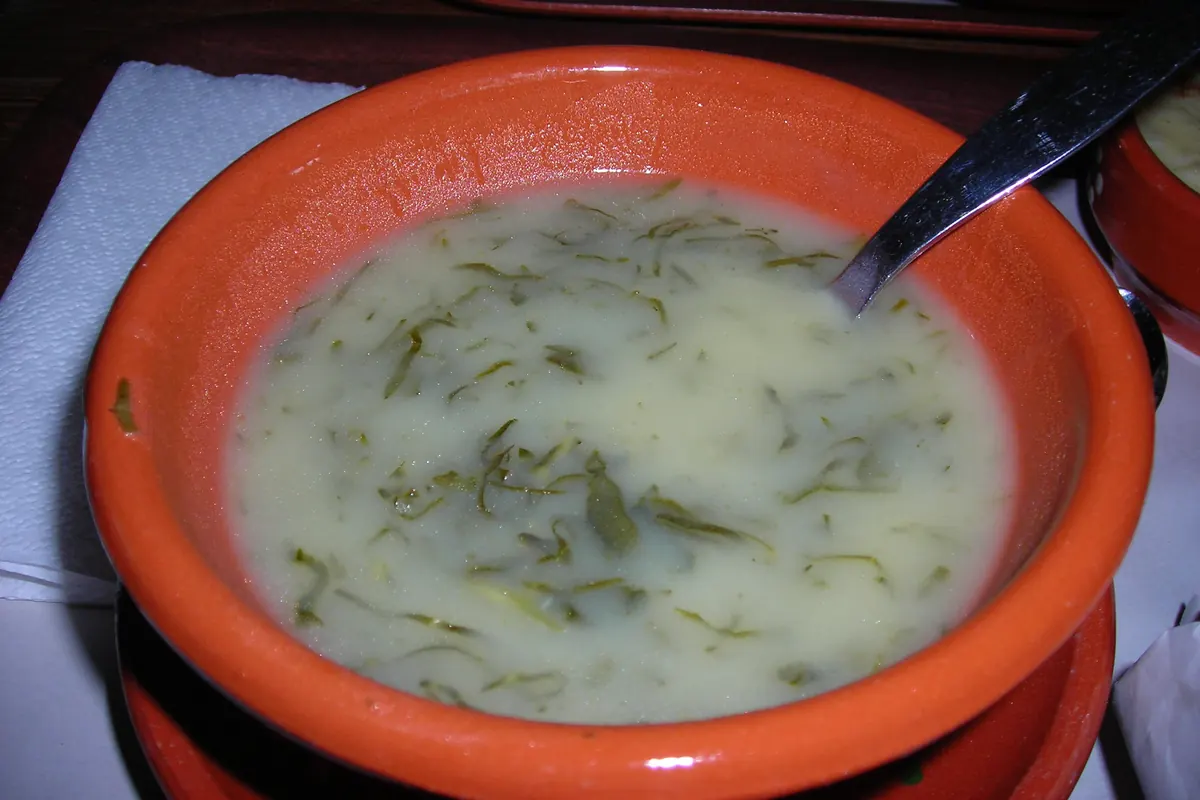
Caldo verde, green broth, is a soup of finely cut Portuguese cabbage, potatoes, olive oil and garlic, served with slices of chouriço or another sausage and a piece of broa, a dense corn or rye bread, for dipping. Its home is the old Minho province at the top of the country, though it is eaten everywhere now. It turns up at weddings, birthdays and street festivals, sometimes as a starter and sometimes as a late supper, and voters chose it as one of the Seven Wonders of Portuguese gastronomy in 2011.
The francesinha
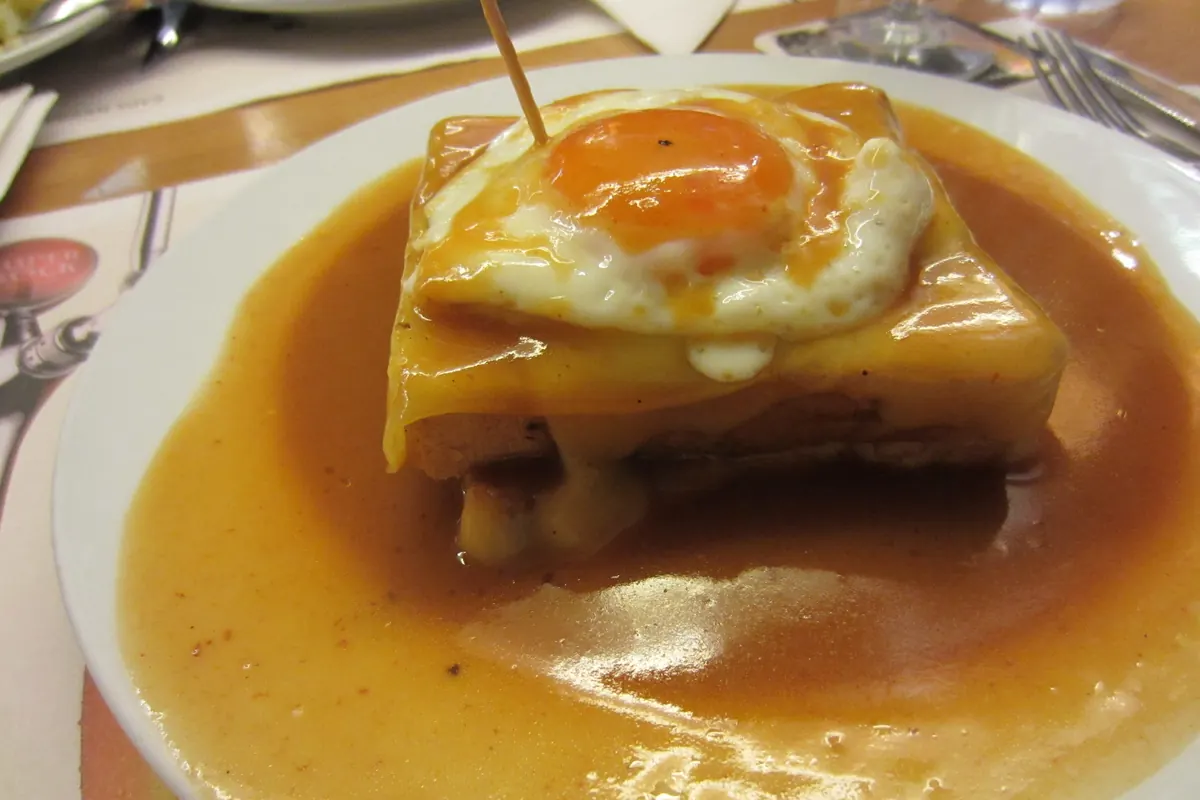
The francesinha, the little Frenchie, is Porto's most popular snack: layers of toasted bread and hot meats such as steak, ham and sausage, covered in sliced cheese that melts under a near-boiling sauce of tomato and beer, usually with fries on the side. It is credited to Daniel David de Silva, who came home from France and Belgium wanting to adapt the croque monsieur, and introduced his version in a Porto restaurant in 1953. Every kitchen has its own sauce. It is a lunch rather than a starter, and a heavy one.
Custard tarts to finish
The pastel de nata is an egg-custard tart in crisp layered pastry, sometimes dusted with cinnamon. Its ancestor was baked, earlier than the 18th century, by the monks of Lisbon's Jerónimos Monastery, who starched their habits with egg whites and turned the leftover yolks into pastries. After the religious orders were dissolved, the recipe passed to a nearby sugar refinery whose owners opened a pastry shop in 1837. Like caldo verde, the tart won a Seven Wonders place in the 2011 vote.
Sources